Fibonacci Guides for Annotation, Not Forecasts
Using retracement overlays to test whether a corrective label still belongs, without turning the overlay into a prediction machine.
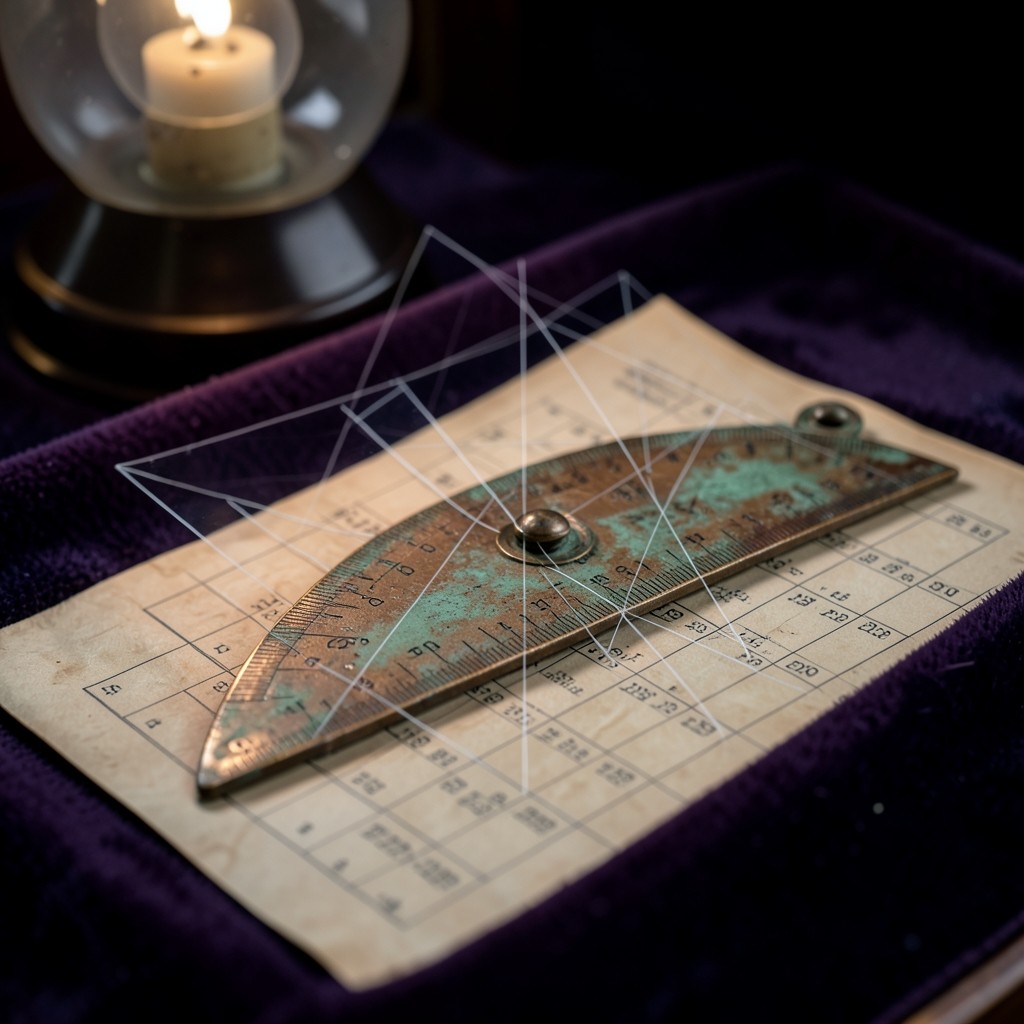
Clinic tables hold copper rulers and transparent Fibonacci overlays for a reason: they slow the hand. When a trader claims a deep second wave, the overlay either supports the depth or contradicts it within seconds.
We teach retracements as annotation tests. If a supposed wave 2 fails to reach a region where second waves commonly settle, the count may still be valid—but the trader should write that exception on the sheet.
Forecasting with Fibonacci clusters is a different craft and sits outside our clinic scope. Our interest ends when the label set is coherent.
Participants who arrive with software-generated grids often miss the physical act of placing an overlay by hand. That act reveals how many assumptions hide inside automatic levels.
For the next workshop, print one chart without overlays, mark your count first, then apply the guide. Compare how many labels you would have changed if the grid had been visible from the start.