Marking Extensions Without Forcing the Count
How clinic participants decide when a third-wave extension deserves its own sub-labels versus when the chart is simply noisy.
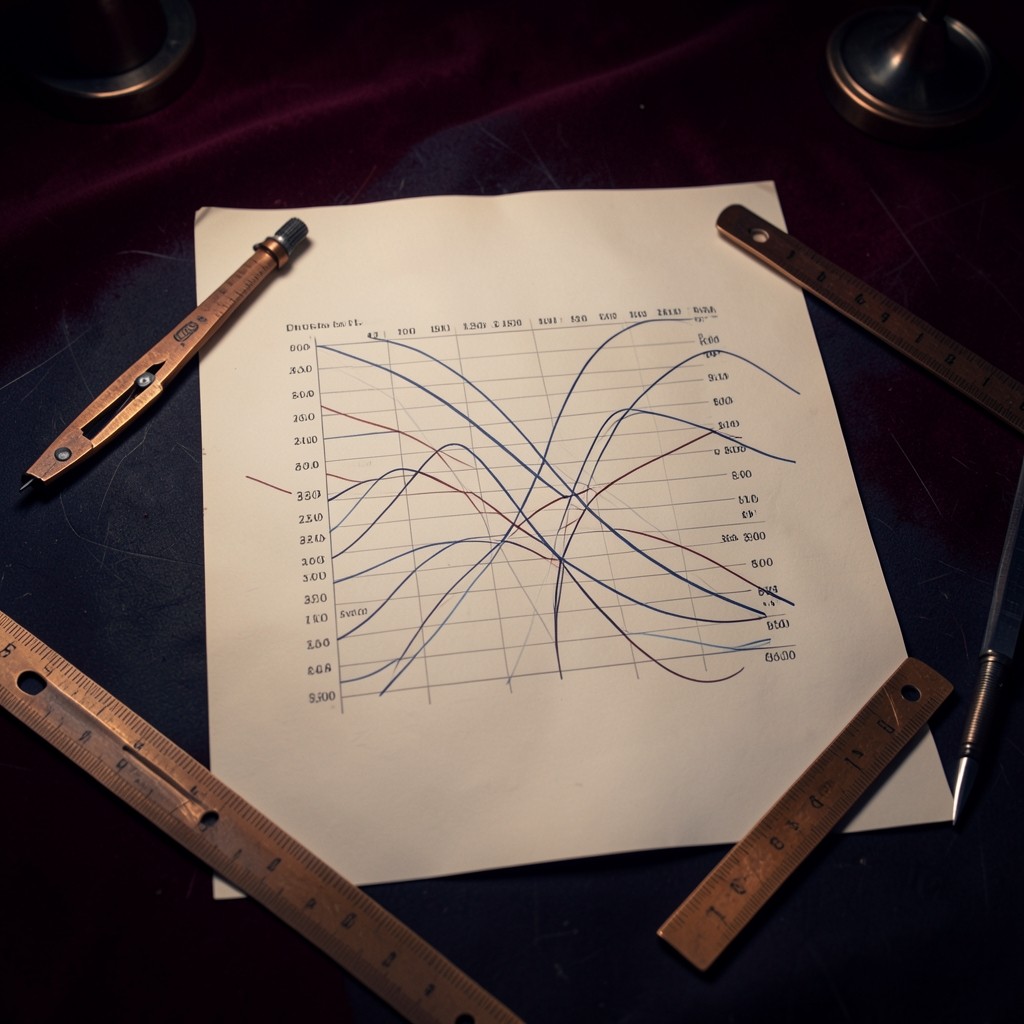
In annotation clinics we see the same habit repeatedly: once a trader suspects an extension, every minor bounce gets a Roman numeral. The chart fills with labels that cannot be defended at the next higher degree.
A practical check we use in Tung Chung is the visibility rule. If you must zoom in three times to justify a label, that label belongs on a lower-degree sheet, not on the weekly working copy.
Start by locking the larger impulse skeleton with pencil. Only after the five-wave structure holds under channel pressure do we ink the extension subdivisions. Participants who reverse that order usually erase more than they keep.
When two extensions compete for the same space, we ask which count produces cleaner alternation in the nearby corrections. Beauty is not the goal; consistency under redraw is.
Bring one chart where you already marked an extension to the next clinic. The exercise is not to prove you were right—it is to show where the pen moved too early.